

Features of an Automatic Vacuum Cleaner and Mop
A robot vacuum cleaner and mop is a a convenient cleaning solution for your floors. These machines can keep your floors clean while you're away, and are ideal for hard floors.
The Dreame X40 is the best robot vacuum cleaner and mop we've tested to date it has passed our cleaning tests with impressive maneuverability and a dazzling performance in vacuuming. It has excellent obstacle avoidance and a hands-free dock that allows you to empty its dustbin and refill its mop pads and also a great obstacle avoidance.
Smart cleaning
Robotic vacuum cleaners, mops and other cleaning tools can help you with a variety of cleaning chores. They can clean a variety of surfaces, like tile and hardwood floors. They can also detect and clean up spills, and also identify areas that require special attention. They can work even when you're away from home. This lets you keep your home looking beautiful even when you're away. They are also easy to use and you can operate them remotely via a smartphone app. These devices are perfect for people who want an easier method of doing chores.
Rosey the robot is an incredibly long way from. The best robot vacuums of today combine powerful suction with navigation and mapping systems that can be used to keep your home clean. Some include advanced mopping functionality. The Eufy S1 Pro robot vacuum can remove mop pads and vacuum carpets. It also comes with mopping pads that can be washed and reused. pad.
Smart cleaning technology not only improves the condition of your floors and can also help you save on energy, water, and cleaning products. It also helps reduce the amount of waste you produce and increase your environmental footprint. These benefits make it worth investing in a robotic mop.
Depending on the model Robots can clean up to 1,000 square feet on a single charge. Some models can also recharge and restart their cleaning routine when they run out of power, which makes them ideal for large areas. They come in various designs and prices and it's crucial to consider your specific needs for cleaning before deciding on a robot.
Narwhal is an example of a robot that is dual-purpose with a powerful mopping and user-friendly interface. It can sweep, vacuum and mop at the touch of one button. It can also determine dirt levels and automatically adjust the pressure. Mopping more heavily on dirty flooring and less on clean floors. It also can detect and avoid obstacles such as stairs and other obstructions. These features are ideal for households with pets or small children, and they can help you save time and effort while making sure your floors are clean.
Self-charging
Robotic vacuum cleaners use advanced technology sensors, motors, and algorithms to simplify floor cleaning with little human intervention. They can map your home's areas and clean according to preset schedules, then automatically return to their charging stations when the battery is empty or when they're finished cleaning. They can be controlled and customized using smart apps and voice assistants. Although they cost more than canister, upright or cordless vacuums, with the higher initial cost but the time and physical demands they eliminate make the initial investment worthwhile.
Although robovacs have made significant improvements in recent years, they still aren't all that far from the Rosey the Robot futuristic dream. They can increase the cleanliness of floors by combining powerful mopping and vacuuming in one unit. A lot of robots can also identify areas that are prone to dirt, and then stop or even skip those areas to tackle them later. Other features, like HEPA filters and docks that automatically empty themselves, make it easier to do the need for manual maintenance.
The most important factor to think about when purchasing a robotic vacuum is the size of your room. A robovac must be large enough to capture all the pet hair that settles on your floors. It should be able to navigate corners and tight spaces without difficulty. It should also be able to fit under furniture and in other places that are difficult to reach. It is essential to choose the model that is able to clean carpets without causing damage to their fibers.
Some models offer additional features that make them a better option for pet owners including automatic carpet recognition, which increases suction power to lift pet hair that is embedded. Some models have rubber brush rollers that are less likely to get caught with pet hair than bristles. Some robots are programmed to stop or skip cleaning certain rooms, such as the living and kitchen.
The iRobot Combo j5+ is the hands-free robovac we tried. It comes with a water container that automatically refills, as well as docking station that has an auto-empty feature. Its exclusive Dirt Detect technology helps the j5+ detect and avoid pet waste, cords, and other obstacles. It can be programmed to stop and recharge, and then return to where it began. This model comes with a larger basestation and suction of 7,000Pa.
Self-emptying stations
Self-emptying stations enable robot vacuums and mops to clean floors without having to use their hands. They function by automatically transferring collected debris into a dustbin or another base station after every cleaning session. This removes the necessity for manual emptying, and helps keep track of cleaning schedules. This also reduces the amount of clutter and battery use by keeping dust out of the main dustbin. For allergy sufferers this feature is particularly useful as it keeps allergens in the bin rather than releasing them back into the air.
A self-emptying station is a docking station with a large dustbin that is built inside the tower. Whenever the robot vacuum or mop returns to the dock, it automatically dumps the contents of its bin into the large. The bins are designed to hold up to 2.5-3 litres and only have to be cleaned every 30-60 days1.
This feature makes robot cleaners even more convenient for people who are busy and need to keep their homes clean without spending a lot of time on it. The base station can be easily opened using an opening latch or button. After the robot has dumped its contents into the base station, you can simply close the base and then remove the empty bag.
Self-emptying docks can sound a bit loud, as they use strong vacuum suction to transport debris to the base station. They can create an engine sound that lasts a few moments. However, they are quieter than a standard vacuum cleaner and less disruptive than using hand dryers in a public bathroom.
The SwitchBot S10 vacuumed 40 g of mixed crumb on LVP flooring in a matter of 10 minutes, earning a score of 100%. Its mopping efficiency was a little better, with a total of 77.5 percent, which is higher than Narwal's 76.5% and Roborock's 79.5 percent.
Most brands provide clear instructions on how to set up an automated vacuum and mop. budget robot vacuum can also test the product for free to check the performance before deciding to purchase. You can then pick the best model for your home and begin scheduling your cleaning in rooms of different dimensions. You can use the app to plan out your home so that your cleaners don't have to spend time cleaning the same areas. It can even send you photos of obstructions so that you can direct it to avoid them in the future.
Object identification
Object identification is an important feature of any automatic mop or vacuum cleaner. It allows the robot to identify objects that move, such as shoes, toys or charging cables, and move around them. This prevents damage to the object and the robot, while also ensuring that the floors are cleaned thoroughly. The technology used to aid in object identification differs between models, but ECOVACS' AIVI 3D navigation model makes use of multiple sensors to shield the robot from obstacles. These include infrared and laser sensors, which use technology developed for self-driving and aerospace vehicles to create maps of space. It also includes a sonic detector that emits a sound to signal when the vehicle has reached an obstacle, and an electronic sensor for liquid tanks that makes use of an object that is floating to ensure that water tanks are full and alerts you when they are empty.
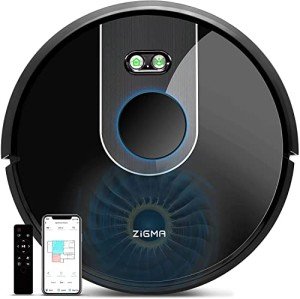
The majority of robotic mop-sweep models are different from traditional canisters, sticks and upright vacuums. They have reservoirs that you can fill with cleaning solution. They also come with microfiber rags to clean your floors and collect dirt as well as sensors that allow them to move around furniture autonomously. They can be programmed for cleaning your floors while you are at work or on holiday, making them perfect for busy people.
However, like any high-tech gadget cleaning machines require a lot of care to ensure their performance and last. Common problems include overstuffed dustbins as well as clogged filters and brushes, and electronic glitches, like internet connection issues. Fortunately, there are many solutions to address these problems.
One option is to utilize a docking station with multiple functions that can be charged, emptied and refills the cleaning tank. You'll save time and money while also maintaining the robot's condition. Multifunctional docking stations can also dispensate detergent and sanitize the mop pads. Some can also monitor your home security and allow you to set virtual boundaries and keep it away from rooms with dog poop or glass.
A decluttering program can keep your robot in good shape. It will scan and remove the clutter in your home. This will help to prevent the robot from becoming stuck and can help it run faster.